Flying Eye Hospital plane taking off

Flying Eye Hospital

The Orbis Flying Eye Hospital is unlike any plane you’ve seen before. A state-of-the-art ophthalmic teaching facility eye hospital complete with an operating room, classroom and recovery room - this amazing aircraft has been an example of the marriage between medicine and aviation since 1982.

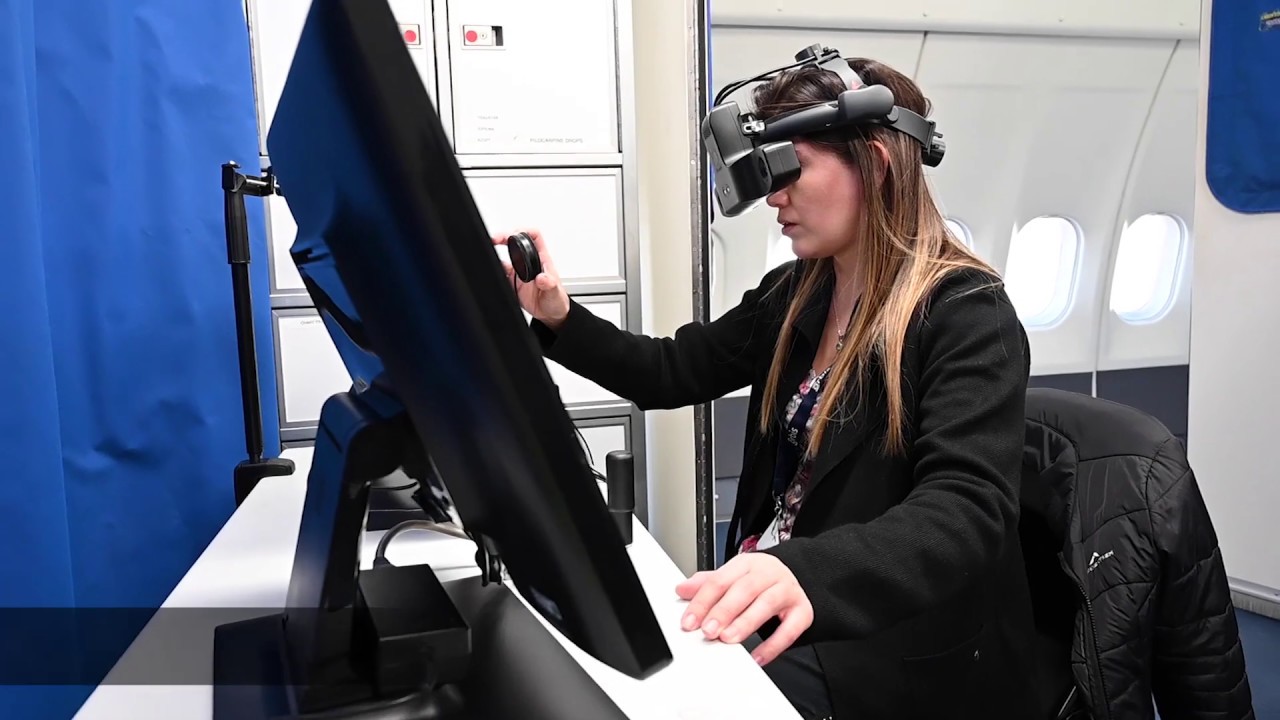
Simulation training helps eye care professionals perfect their skills before performing surgery on patients.

Inside the Flying Eye Hospital, Orbis offers simulation training using technology like virtual reality, artificial eyes, and life-like mannequins, allowing for complex surgical procedures to be broken down into smaller parts. This gives eye care professionals the opportunity to practice each step as many times as they need to get it right, something that’s not possible with an actual patient. As a result, simulation training has been shown to improve surgical outcomes for patients.

Aviation blogger Sam Chui visited the Flying Eye Hospital in Ghana.

Whether a programme offers ophthalmic training or live surgical ophthalmic training, Orbis always creates tailored and customised curricula for our partner hospitals’ needs, based on what skills are most needed locally and their equipment's capabilities. Volunteer Faculty train local eye care teams both on board the aircraft and at their local hospital, providing education that is both high-quality and practical for when the Flying Eye Hospital departs.

And thanks to our telemedicine platform, Cybersight, eye care professionals from all over the world can join our training programmes with the click of a button. Training activities, including live lectures and surgeries, on board the Flying Eye Hospital are broadcast via the platform to partner hospitals and classrooms around the globe.

Watch this amazing time lapse of the plane, donated by FedEx, being brought to life

Blended Learning for Ophthalmic Training

The pandemic taught us many valuable lessons about virtual learning. In 2020, Orbis reimagined in-person Flying Eye Hospital trainings as virtual ones to ensure that eye care teams could still access critical training safely during the pandemic. Orbis reached nine countries in 2020 and 34 countries in 2021 through virtual Flying Eye Hospital projects. Now that in-person programming is back in action, we plan to continue with a method of “blended learning” to give eye care professionals a more well-rounded education.

Blended learning is the combination of in-person simulation and surgical training on board the Flying Eye Hospital with tailored virtual training offered at home via Cybersight, Orbis’s telemedicine and e-learning platform. This model adopts the best of both training methods into one, ensuring that participants can begin their education before the plane arrives and continue their education after the plane leaves.

Donate today to help power the Flying Eye Hospital

Dc 8 Tail

50

Dc 10 Tail

100

5 Cover Shot

150

Faqs

What Is the Orbis Flying Eye Hospital?

The Flying Eye Hospital is a fully accredited ophthalmic teaching hospital built inside a converted MD10 aircraft, designed with operating rooms, recovery areas, 3D training systems, and simulation labs so it can deliver sightsaving surgery and hands-on medical training to countries that lack eye care services.

How Many Countries Has the Flying Eye Hospital Visited?

Since 1982, across its three generations of aircraft, the Flying Eye Hospital has delivered ophthalmic training programs in more than 80 countries, strengthening local capabilities and reducing avoidable blindness.

What Types of Surgeries Are Performed on the Flying Eye Hospital?

Common onboard procedures include cataract surgery, glaucoma treatment, pediatric eye surgeries, and other sight-restoring interventions that simultaneously serve as training cases for local clinicians.

What Training Technology Does the Flying Eye Hospital Use on Board?

The Flying Eye Hospital uses an advanced audiovisual system that allows trainees to watch live surgeries in 3D as if looking through the surgeon’s microscope, supported by highquality cameras, realtime broadcasting, twoway communication, and a mobile simulation centre with virtual reality and artificialeye practice tools.

Close the modal
Loading
Sorry there was an error.
Try again